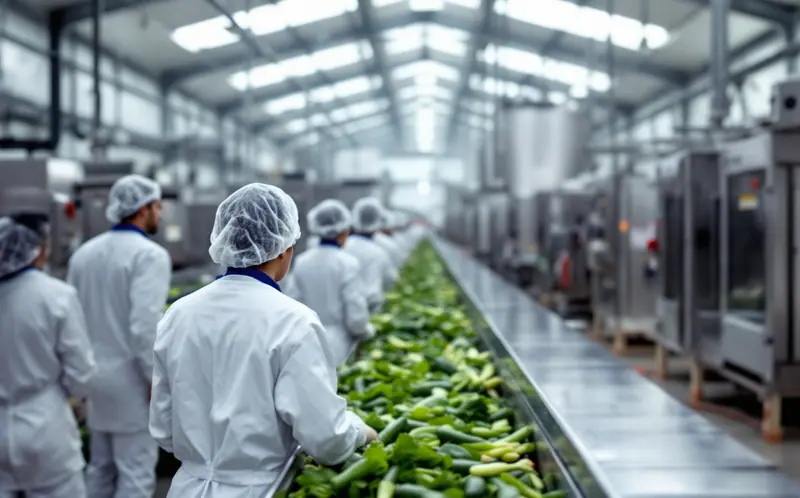
Why food processing plants close in Canada, and what keeps others open
Food processing is Canada's largest manufacturing industry, yet well-known plants still close. What decides which ones shut, which stay, and which get a second life.
Home › Analysis
Newest first
Explainers on the economics of Canadian food and farming, from milk quota to grocery margins.
Food processing is Canada's largest manufacturing industry, yet well-known plants still close. What decides which ones shut, which stay, and which get a second life.
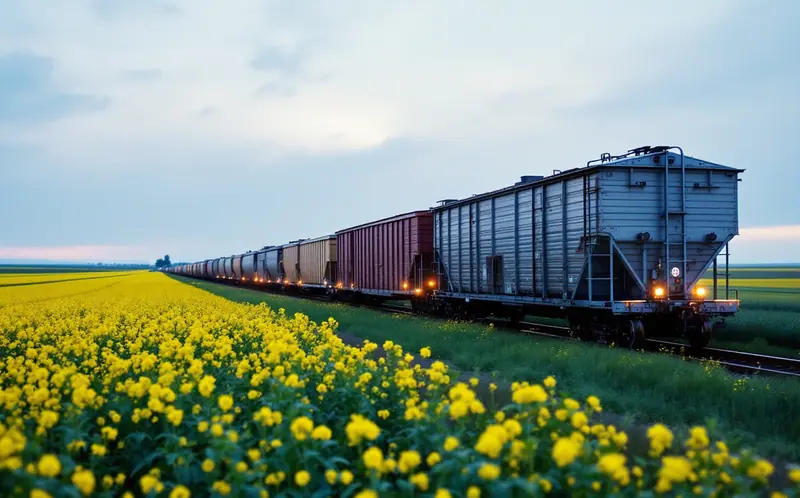
Contracts, shared data and joint problem solving can spread risk between farms and processors. How the main arrangements work, and why some partnerships fail.
Twice in seven years China shut much of its door to Canadian canola. The record of those disputes shows how market access is lost, regained and paid for.
Canadian farmland has risen in value for decades. How Farm Credit Canada measures it, what pushes prices up, and why rents and returns lag behind land prices.
From the 1966 Jamaica agreement to today's Agricultural Stream: how farms hire seasonal workers from abroad, the rules on wages and housing, and the criticisms.
Gross margin, EBITDA and net margin measure different things. A plain guide to grocers' reports, the Competition Bureau's 2023 study, and where $100 goes.
New US quotas for milk, chicken, eggs and turkey, the end of milk Class 7, caps on powder exports and two dispute panels: what CUSMA did to supply management.
Loss happens before the store, waste at the store and after. How the UN indices and Canadian studies draw the line, and why a crate of produce can count twice.
Canada has an internal free trade deal, yet meat, milk and wine still stop at provincial lines. How the rules work, what they cost, and why they persist.
Canadian cattle and hog prices start in Chicago and are converted, adjusted and graded on the way north. How cash trade, basis, auctions and formulas fit together.
Ownership, management and the estate are three separate handovers. How Canadian farm families plan a transfer, the tax rules in outline and the fairness question.
A food price forecast is a range built on assumptions, not a promise. How Canadian forecasts are made, why they missed in 2022 and 2023, and how to read one.