What group travel really costs a farm group heading into the mountains
Driving a farm group into the mountains looks cheap until the drivers' hours and the winter weather risk are put on the ledger.
 By Reid Gauthier6 min read
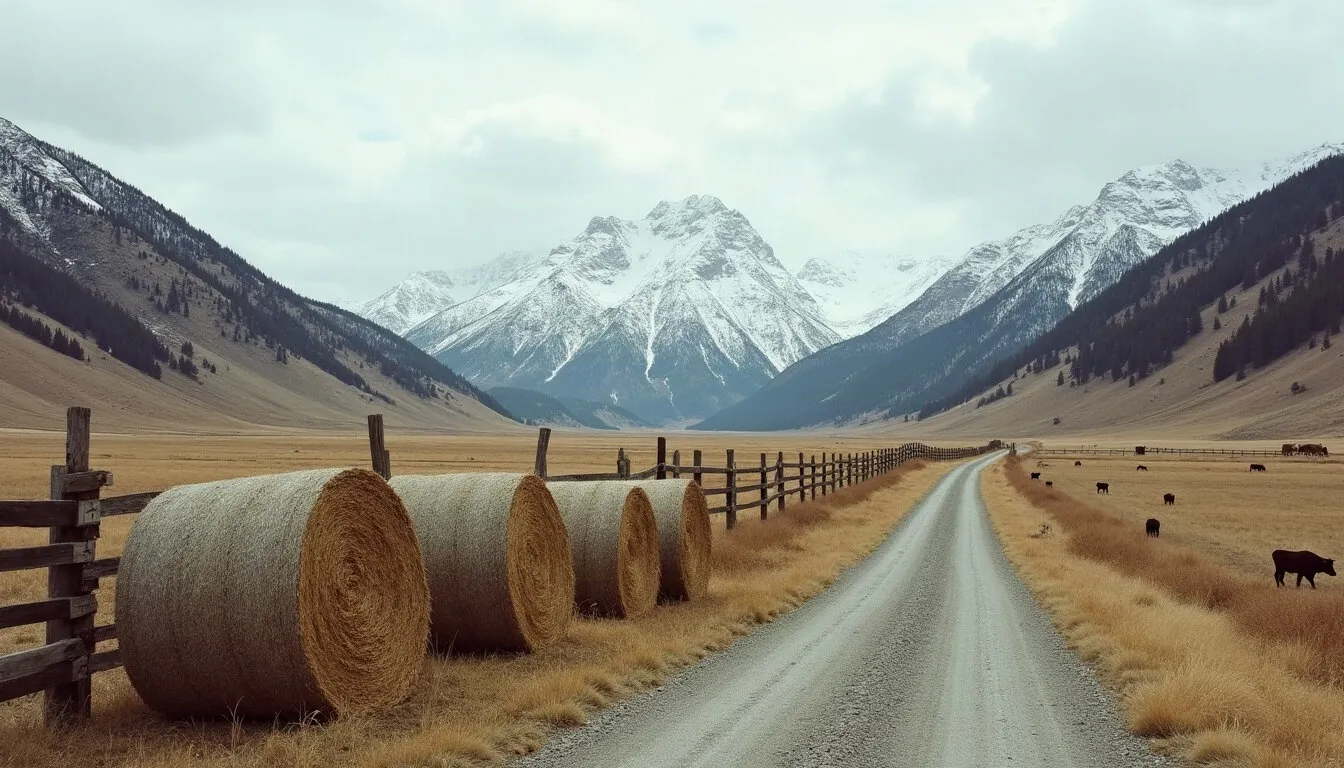
Late February in western Manitoba is when grazing clubs and farm families start planning the trips they will take once calving is done. Somebody suggests a few days in the Colorado high country to see how mountain ranchers handle hay, water and short seasons, and the next question is always the same: how do thirty people get from the Denver airport up into the mountains and back without wrecking anyone's week? Local pages for the Denver to Aspen bus option are a practical starting point for comparing a chartered coach against a convoy of rented vehicles.
This piece treats group travel as a farm business cost: what it really takes to move a group through mountain country, where the hidden costs sit and who carries the risk. It does not quote prices or recommend any operator.
Where group travel sits in a farm budget
Most farms do not have a line in the budget for travel, and that is part of the problem. A study tour, a breeders' meeting, a family wedding in the mountains or a staff trip after a hard season all cost money, but they also cost time from people who are hard to replace on the farm for even a few days.
When a group travels together, the cost has three parts. There is the transport itself: vehicles, fuel, parking and any tolls. There is the labour: somebody has to drive, and on mountain roads in winter that somebody has to be alert, rested and comfortable with snow. And there is risk: weather delays, a vehicle off the road, a driver who is too tired after a long day of farm visits to make the trip back safely.
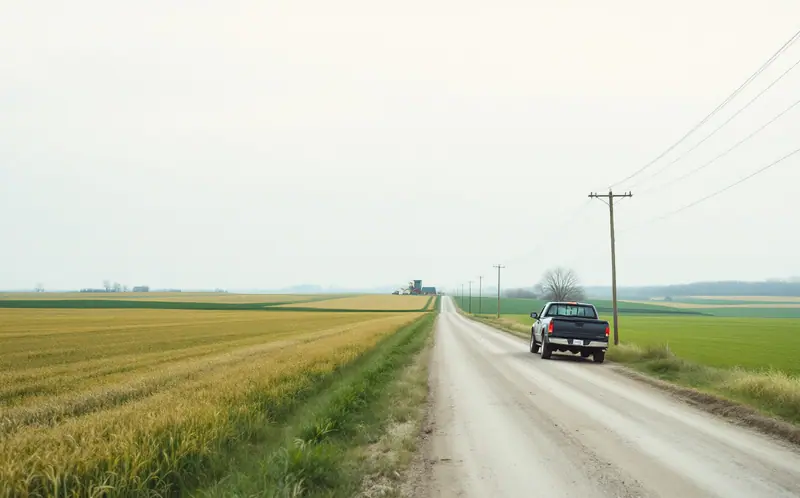
On the Prairies, people are used to long drives, and the instinct is to load up a few pickups and go. That works well on flat, familiar ground. Mountain country is a different proposition: narrow valleys, steep grades, weather that changes between one side of a pass and the other, and resort towns where parking is tight.
What it costs, and where the costs hide
The fuel bill is the cost everyone counts. The others are easier to miss.
- Driver hours. Every driver in a convoy is a person who spends the trip watching the road instead of talking to the group, and who arrives tired. On a study tour, those hours are part of what the trip was meant to buy.
- Vehicle wear and rental. Rented vans and pickups carry daily rates, mileage limits and insurance questions. Personal vehicles carry wear that does not show up until later.
- Coordination. Six vehicles mean six arrival times, six parking problems and six phones ringing when someone takes a wrong turn.
- Weather. Mountain snow can close roads or slow them badly. A group spread across several vehicles faces that risk several times over.
Back-of-the-envelope. Say an illustrative group of 30 travels in 6 rented pickups, 5 people each, on an 800 km round trip. At a round 15 litres per 100 km, each vehicle burns 120 litres, or 720 litres for the convoy. At a round $1.50 a litre, that is $1,080 in fuel. Say each driver spends 10 hours at the wheel over the trip, which is 60 driver-hours, and value that time at a round $30 an hour: $1,800. Fuel and driver time together come to $2,880, before rental fees, wear or any allowance for weather. These are round illustrative numbers, not data from any real trip; the point is that the fair comparison against a charter quote includes the drivers' hours and the risk, not just the fuel.
Who carries the risk
When farm people drive themselves, the risk sits with whoever owns the vehicles and whoever is behind the wheel. If a volunteer driver from a grazing club slides off a mountain road, questions about insurance and liability follow, and they land on the driver, the vehicle owner and sometimes the organizing group. Anyone organizing such a trip should check with their insurer and, where the stakes are high, with a lawyer about who is covered for what.
A chartered coach moves most of that risk to the operator, who employs a professional driver and carries the commercial insurance for the vehicle. The group still bears some risk: a road closure is a road closure, whoever is driving. But the driving itself becomes someone else's job, and the group's members can spend the trip doing what they came to do.
There is also a quieter risk that falls on the farm back home. If the trip runs late because of weather, the people covering chores carry the extra days. That is a cost to plan for whichever way the group travels.
What to weigh before deciding
A few points tend to settle the question:
- Group size. A handful of people fit comfortably in one or two vehicles. Once a group passes about a dozen, the number of drivers and vehicles climbs fast.
- Season. Winter and early spring in the mountains raise the value of a professional driver and a vehicle built for the conditions.
- The schedule. Long days of visits followed by long drives are where fatigue and mistakes creep in.
- Who is in the group. Older family members, young children or anyone uneasy on mountain roads change the calculation.
- What the operator handles. A good charter company will generally explain pickup points, luggage space, how it deals with weather delays and what is included in the price. Those are fair questions to ask any operator.
| Option | Up-front cost band | Weather and driving risk to the group | Who it suits |
|---|---|---|---|
| Personal vehicles | Low | High | Small groups, summer trips, experienced mountain drivers |
| Rented vans or pickups | Moderate | High | Mid-sized groups wanting flexible schedules |
| Chartered coach | Moderate to high | Low | Larger groups, winter trips, tight schedules |
Comparing the options fairly takes a little discipline. A charter quote arrives as one number, while the cost of driving yourselves is scattered across fuel receipts, rental agreements, a few lost days of work and an insurance question nobody wants to ask. Putting both on the same sheet, with the drivers' time valued at something rather than nothing, is the only way to see the real gap. It also helps to ask for quotes early, since mountain resort towns are busy in ski season and in summer, and a group that books late has fewer choices.
Small group, big group
For a family of five heading to a mountain wedding, a single rented vehicle is hard to beat on cost, and the main question is whether the driver is comfortable with snow. For a grazing club of thirty, the arithmetic turns the other way: the cost of the coach is shared across many seats, and the savings in driver hours, coordination and risk add up quickly.
How the cost is split matters as much as its size. A club that charges every member the same seat price spreads the cost evenly, but it can feel unfair to the few who would have driven anyway. Some groups ask drivers to contribute less, or none, in recognition of the hours they would have put in; others keep it simple and divide the bill by heads. Either way, settling the split before anyone books saves an awkward conversation on the ride home, when everyone is tired and the weather has already cost the group half a day.
The same logic holds on the Prairies. A local trip to an auction mart or a field day is simple to drive. A long trip into unfamiliar country, in a season when the weather is unreliable, is where pooling the transport and handing the wheel to a professional starts to look like ordinary risk management rather than a luxury.
The trade-off in one line
Driving a group into the mountains yourselves looks cheaper only if the drivers' hours and the winter risk are left off the ledger. For small groups in good weather that is a fair bet; for larger groups in the snow, a shared coach is often the more sensible use of the farm's time.

Reid Gauthier
Reid lives in Brandon, Manitoba, among grain elevators and feedlots. He writes about livestock and grain markets, feed costs and how prices are discovered.