Foundation repair, explained for farm families with an older farmhouse
A crack in a farmhouse foundation can be cheap to address now or costly later, and who pays often depends on who owns the building next.
 By Duncan Strathearn7 min read
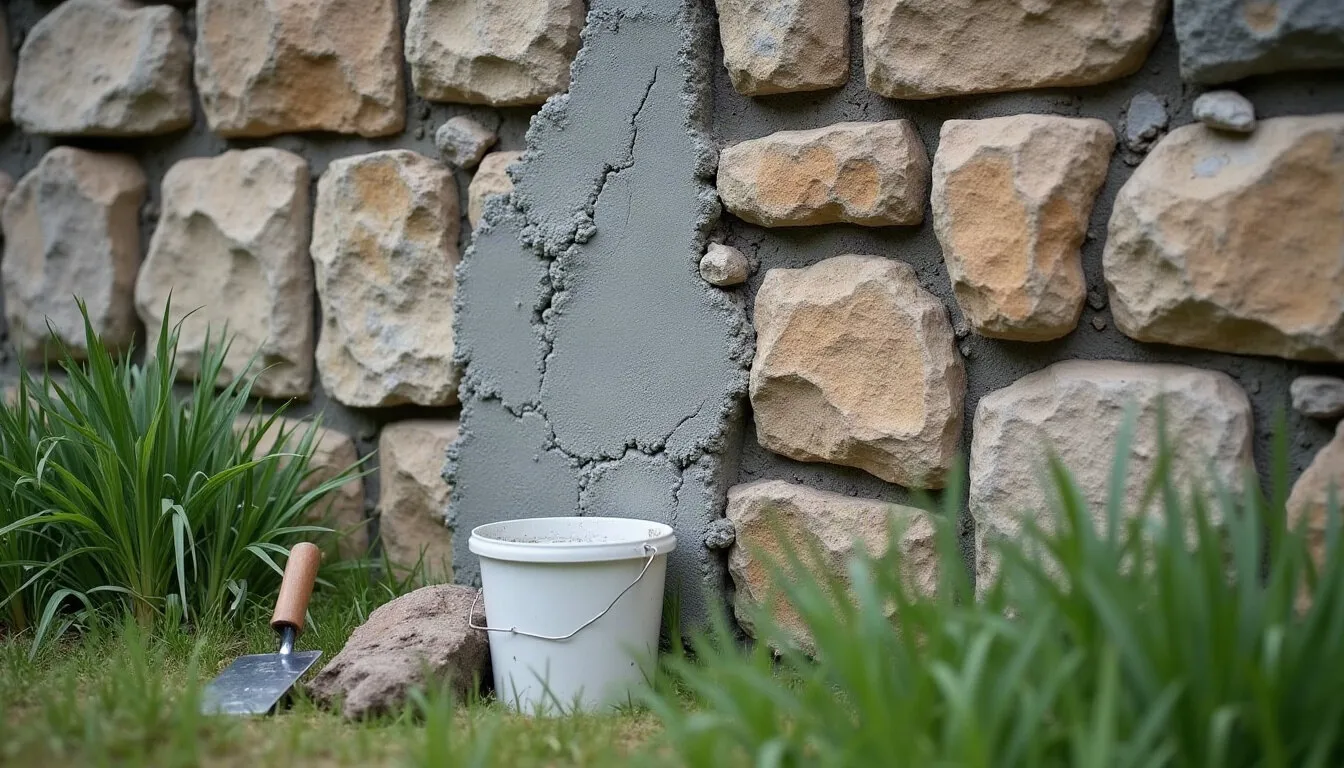
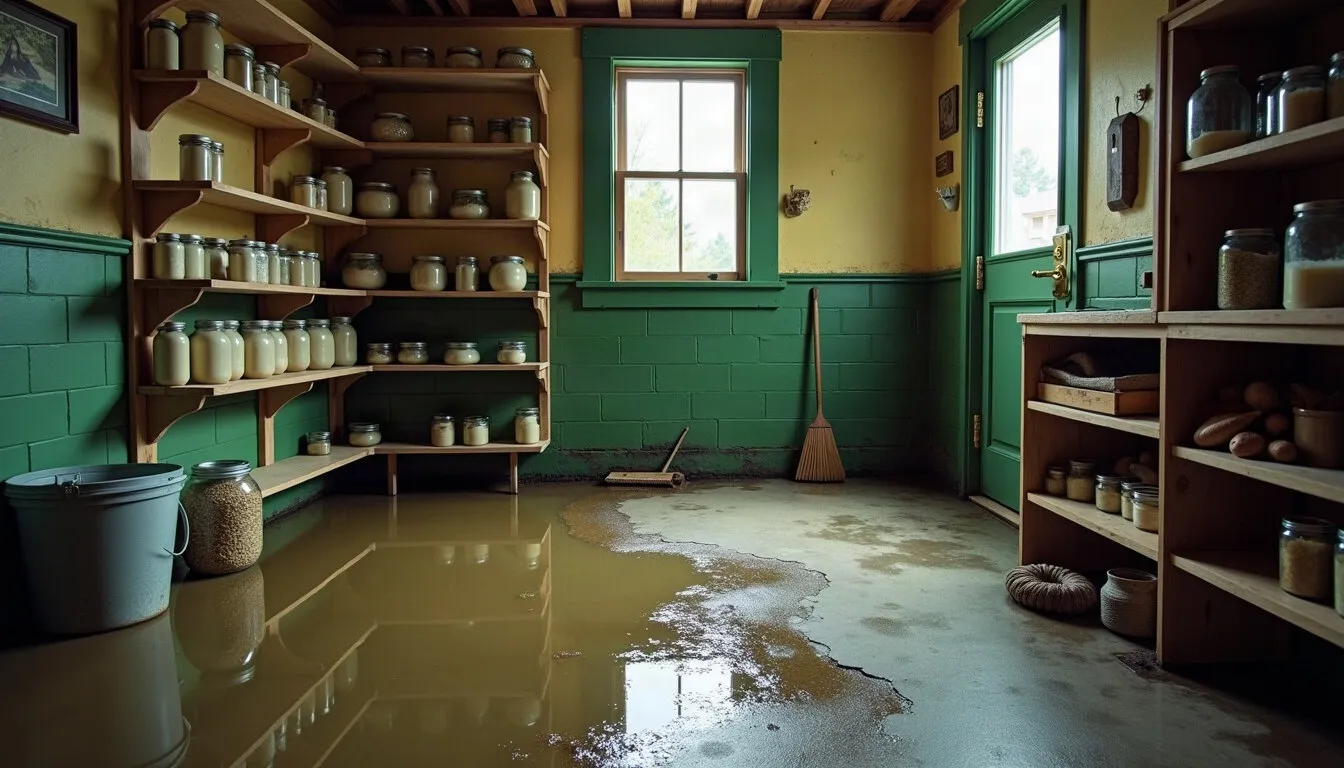
A crack in a farmhouse basement wall is usually found the same way. Someone goes down for a jar of preserves or to look at the water heater, notices a line in the concrete that was not there last autumn, and climbs back up unsure whether it is worth mentioning at supper. "Foundation repair" is a phrase people use loosely, to mean anything from sealing a hairline crack to steadying a corner that has started to settle. From cracked driveways and patios to the wider importance of foundation repair, one Tennessee concrete contractor's pages are a useful reference for readers in that position.
This article defines the terms, separates what a crack is from what it might cost, and looks at who ends up paying when the decision is put off. It is not an engineering assessment, a quote or a recommendation. Only someone who has stood in the basement and looked at the wall can say what a particular crack means.
What foundation repair means, and what it does not
It helps to be precise about the words, because the loose version causes most of the confusion. A foundation is the part of a building that carries its weight down into the ground: the footings, the walls or piers that sit on them, and in many farmhouses a basement floor poured later. Foundation repair is any work that restores the foundation's ability to do that job, or that stops water and frost from wearing it down.
That definition leaves a good deal out. A cosmetic crack in a basement floor that does not move and does not leak is usually a matter of appearance. A damp patch on a wall may be a drainage problem outside rather than a structural one inside. Equally, a narrow crack is not automatically harmless; what matters is whether it is moving, whether it lets water through and whether the building above it shows signs of strain, such as doors that stick in summer and swing freely in winter, or gaps opening at window corners.
On a farm the same word covers more than the house. Barns, machine sheds, grain bins, milk houses and farm stores all sit on footings or slabs. Many were built in stages over decades, with an older stone or block section joined to a newer poured addition, and the joints between them are where trouble tends to show first.
What it costs, and where the costs hide
The direct cost of foundation work is the contractor's bill, and that varies so widely with the cause, the access and the method that no general article can usefully put a number on it. The more interesting costs are the ones that sit around the bill.
- Water. A crack that admits water turns a structural question into a moisture problem: wet insulation, damaged finishes, stored goods that go mouldy.
- Time and access. Repairs from outside can mean digging along a wall, which disturbs gardens, walkways and sometimes the lane. Repairs from inside can mean emptying a basement that has been used as storage for thirty years.
- Knock-on repairs. Once a foundation has moved, the framing, plaster and windows above it often need attention too, and those costs arrive later on separate invoices.
- Delay. The quiet cost of waiting is that a small, stable problem can become a larger, moving one, especially where winters bring freeze and thaw.
Back-of-the-envelope. Say an illustrative farmhouse has a wall crack that a contractor could address now for $6,000. Say the family waits instead, and there is a 1 in 3 chance that within a few years it worsens into a job costing $24,000, including repairs to the floors and windows above. The expected cost of waiting is $8,000, which is more than the cost of acting now. If the chance of it worsening were only 1 in 5, the expected cost would be $4,800, and waiting would look reasonable. These are round illustrative numbers, not data from any real farm; the useful point is that the decision turns on how likely the problem is to grow, which is exactly what a proper assessment tells you.
Who carries the risk
What the rule says, in a loose sense, is that the owner of a building is responsible for keeping it sound. What it costs in practice depends on who that owner will be when the bill arrives.
On a farm in the middle of succession, the answer is often unclear. Parents who plan to hand the operation on in a few years may be reluctant to spend on a building they will not live in for long, while the next generation inherits whatever has been deferred. A frank conversation about who pays for structural work, and when, is worth having before the transfer rather than after. A lawyer or accountant who knows farm transfers can help put the answer in writing.
Tenants are in a different position. A farmhouse or shop let to a tenant usually leaves structural repair with the landlord, but a tenant who notices a crack and says nothing may find the matter more complicated later. Buyers, finally, carry whatever the seller did not disclose or did not know. In many places sellers are expected to disclose known defects, and the details vary, so it is worth checking with a lawyer or the local authority rather than assuming.
Insurers form the last party. Policies often distinguish between sudden damage and gradual settling or wear, and gradual problems are frequently excluded. That is a matter for the policy wording and a broker.
What to weigh before deciding
The sensible sequence is to understand the problem before choosing a remedy. A structural engineer or an experienced foundation contractor can tell you whether a crack is moving, what is likely causing it and what the options are. Readers should not attempt structural repairs themselves; the risk sits not only in the wall but in the house above it.
| Option | Up-front cost band | Risk if the cause is active | Who it suits |
|---|---|---|---|
| Monitor and recheck | Low | High | A crack judged stable by a professional, with no water |
| Address drainage and grading first | Low to moderate | Moderate | Damp walls where water outside is the main cause |
| Structural repair now | Moderate to high | Low | Moving cracks, settling corners, signs of strain above |
Points worth weighing alongside the table:
- Whether the crack is changing. Dated photos taken a few months apart tell a professional far more than a single look.
- Where water goes around the building. Gutters, downspouts and the slope of the ground often matter as much as the wall itself.
- How long the family expects to own the building, and who will own it next.
- Whether permits are needed. For structural work, ask the local building department rather than guessing.
- What the contractor proposes to check first. A good one will explain the likely cause before naming a fix.
The same arithmetic on a barn or a farm store
Scale changes the stakes more than the logic. On a small acreage, a single foundation problem under the house can be the largest repair the owners face in a decade, and the main trade-off is between spending now and selling or handing on a building with a known defect. On a larger operation, a settling slab under a machine shed or a cracked wall in a milk house can disrupt work daily, and downtime becomes the larger cost.
Climate matters as well. In eastern Ontario, deep frost and spring thaw are the usual suspects. In a place with wet winters and hot, humid summers, such as middle Tennessee, the pattern is more often about water: heavy rain saturating the ground around a building and drying out again. The underlying question is the same in Kingston and in Murfreesboro: is the ground under the building behaving, and if not, what will it cost to find out early rather than late.
The trade-off in one line
Foundation work is one of those decisions where the cheap option today and the cheap option over ten years are often different answers. Paying for a proper assessment first is usually the least expensive way to find out which one you are facing.

Duncan Strathearn
Duncan lives in Kingston, Ontario, and follows agricultural trade talks, tariff schedules and the policy frameworks that sit behind them. He reads trade agreements so readers do not have to.