Why the mudroom floor matters more on a farm than it looks
A farmhouse floor takes mud, meltwater and grit every day; what does choosing one really cost, and how long should it last?
 By Reid Gauthier7 min read
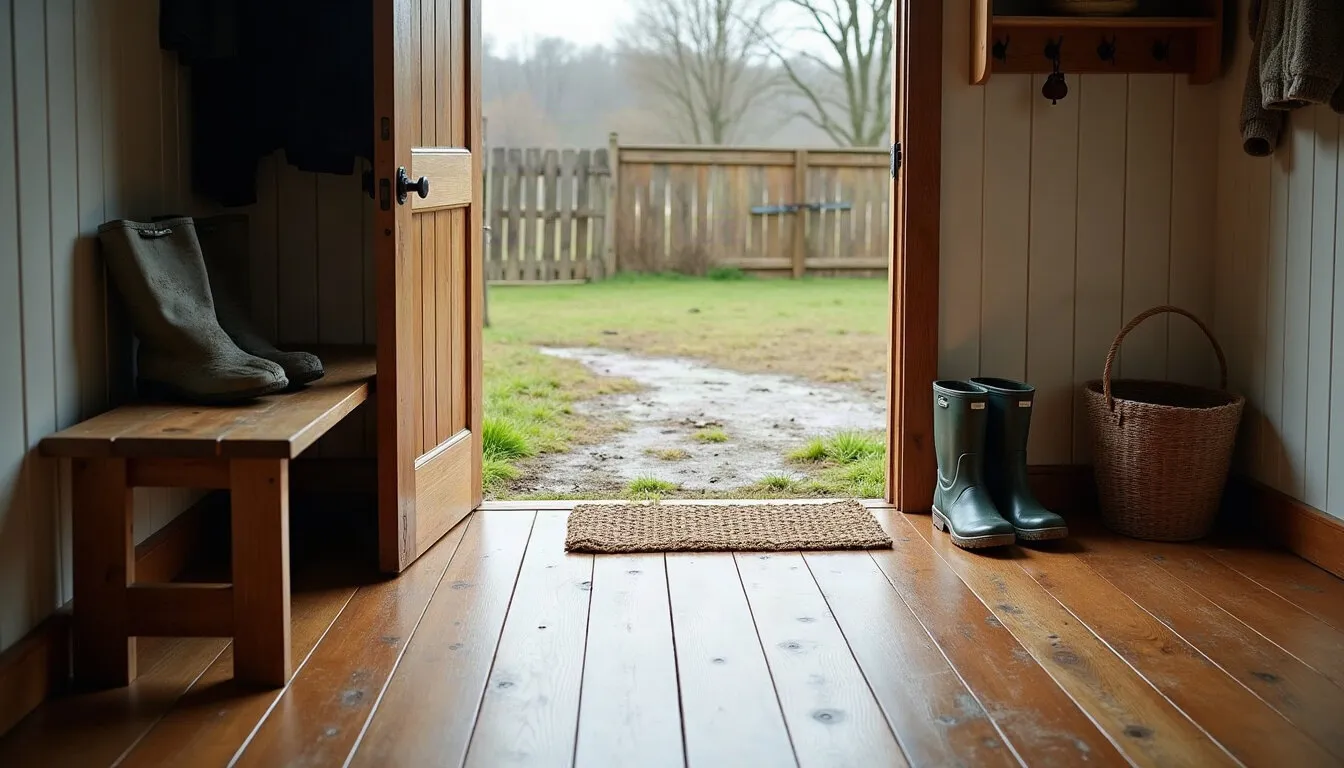
Spring on the Prairies arrives as mud before it arrives as green. Snow melts off the yard faster than the ground can take it, the lane turns to gumbo, and every trip from the corrals back to the house brings some of it inside. Floor work in a farmhouse comes in many sizes, from sanding an old hardwood hallway to vinyl floor installation in Aurora and the other plains towns east of Denver, and the money question behind each choice is the same one a feedlot weighs about pens and alleys: what wears, how fast, and what it costs when it gives out.
This piece looks at the floor of a working farmhouse as an operating cost rather than a matter of taste. It covers where the hard wear happens, where the costs hide, who carries the risk and what to weigh before choosing. It is not a quote, a product recommendation or a set of installation steps. Floors sit on subfloors and structure, and a good installer is the one to judge what is under the old surface before anything new goes down.
Where the floor takes the punishment
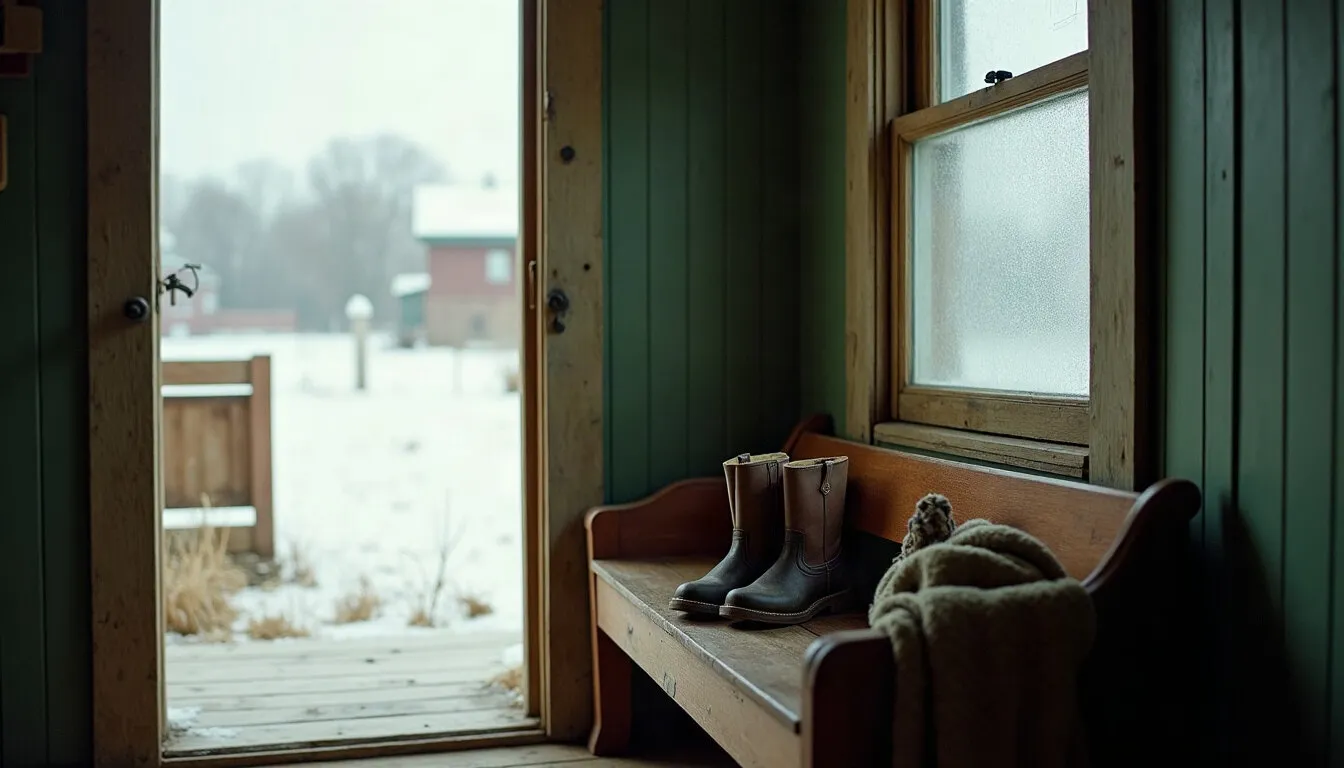
On a farm the house is not separate from the work. The back entry is where the barn ends, and the floor there handles boots caked with mud, manure and snowmelt several times a day, often in the hands of people too tired to stop and scrape properly. The kitchen behind it gets the overflow: grit tracked in on socks, water from washing up after chores, the odd bucket set down where it should not be.
That makes the farmhouse floor closer to a piece of working equipment than a finish. A surface that suits a townhouse living room may fail early by a farm door, not because it is poorly made but because it was never asked to handle that kind of traffic. The opposite is also true. A floor chosen only for toughness can make a living room feel like a machine shed, and the family has to live with it every day.
The weather sets the pace. On the Colorado plains, as in Manitoba, winters bring snow and freeze-thaw cycles and the spring thaw brings mud, while summer storms can bring hail and sudden heavy rain. Each of these seasons finds its way to the back door.
What it costs, and where the costs hide
The price of the material and the installation is the visible cost, and families tend to compare options on that alone. The hidden costs come later and arrive in smaller pieces.
The first is water. A floor that lets meltwater sit in its seams can let it reach the subfloor, and a soft subfloor turns a surface job into a structural one. The second is labour. A floor that is hard to clean costs time every day, and on a farm that time comes out of the same hours as chores, calving checks or field work. The third is downtime. Replacing a floor means moving furniture, clearing the room and living around the work for a few days, which is easier in January than during seeding or harvest.
The fourth is the life of the floor itself. A cheaper surface that has to be redone more often can end up costing more than a dearer one that lasts, but only if the family stays long enough to see the difference.
Back-of-the-envelope. Say an illustrative farmhouse mudroom can take a floor at $1,500 that will need replacing every 5 years, or one at $3,000 that will last 15. Over 15 years the first option is bought three times, $4,500 in all, against $3,000 for the second, a gap of about $1,500. If the family plans to hand the house over in 5 years, though, the first floor costs $1,500 against $3,000, and the cheaper choice wins by the same margin. These are round illustrative numbers, not data from any real farm or any real product; the point is that the time horizon decides the answer.
That last point matters on farms more than in town, because farm families often know roughly when the house will change hands, even if the date keeps slipping.
Who carries the risk
The family that lives in the house carries the daily cost of a floor that is wrong for the work. They are the ones mopping, patching and living with a soft spot by the door. But the longer-term risk often falls on someone else.
In a succession, the incoming generation inherits whatever lies under the surface. A floor that looks fine can hide a subfloor that has been taking water for years, and the people who find it are usually the ones who did not cause it. On farms with a hired hand's house or a rented farmhouse, the question of who pays for a floor that has worn through belongs in the lease or the working arrangement, and if it is not there, it tends to become a disagreement later. A short conversation with a lawyer when that arrangement is written is cheaper than the argument.
A buyer of a rural property faces the same exposure. Floors are among the first things people notice on a viewing and among the last things they think to look under. When a farm or acreage changes hands, the condition of the back entry often says more about the house than the polished front room does.
What to weigh before choosing
The options for a working farmhouse fall into a few broad families, and each carries its own trade-offs. The table uses bands rather than prices, since costs vary widely with the house, the room and the installer.
| Floor type | Up-front cost | Tolerance for water and grit | Who it tends to suit |
|---|---|---|---|
| Vinyl plank or sheet | Low to moderate | Good, if the seams and subfloor are sound | Busy back entries and kitchens where mud is a daily fact |
| Hardwood | Moderate to high | Lower; needs prompt cleaning and periodic refinishing | Living rooms and halls away from the back door |
| Tile or sealed concrete | Moderate to high | High, but hard underfoot and cold in winter | Mudrooms and utility rooms that take the worst of it |
Alongside the table, a few practical questions are worth answering before any money is spent:
- What is under the current floor, and is it dry and sound? An installer who checks the subfloor first is doing the family a favour.
- Which rooms take the farm traffic, and which do not? Different floors in different rooms is often the sensible answer.
- When can the house be torn up for a few days without getting in the way of the farm calendar?
- How long does this household expect to live here, and who comes next?
- Is there a way to stop some of the mud before it reaches the floor at all, such as a covered entry, a boot scraper or a wash-down spot outside?
Small farms and large ones
On a small operation the farmhouse floor is a household expense, and the decision tends to be made at the kitchen table on the same evening as everything else. The family weighs it against seed, feed and machinery repairs, and it usually loses until something forces the issue.
A larger operation often has more than one building where floors matter: a hired hand's house, a farm office where the books are kept and buyers sometimes sit down, perhaps a farm store where customers walk in from a gravel yard. There the floor starts to look like a business asset. A worn, damp floor in a farm store is a cleaning problem and a slipping risk, and a floor chosen for heavy traffic from the start saves repeated repairs. The arithmetic in the box above applies to each building, but it is multiplied, and the time horizon for a business building is usually longer than for a house about to change hands.
The trade-off in one line
The cheapest floor is the one that matches how long the family will stay and how much of the farm walks through the door. For a house being handed on soon, a sound, modest floor in the right rooms may be all that makes sense; for one the family will live in for years, paying more once can beat paying less several times. Before choosing anything, find out what is under the old surface and when the farm can spare the house for a few days.

Reid Gauthier
Reid lives in Brandon, Manitoba, among grain elevators and feedlots. He writes about livestock and grain markets, feed costs and how prices are discovered.