What a water heater really costs a dairy or farm household
Hot water is a quiet input on dairies and farm households; here is what a heater costs over its life and who carries the risk when it fails.
 By Colette Ranville7 min read
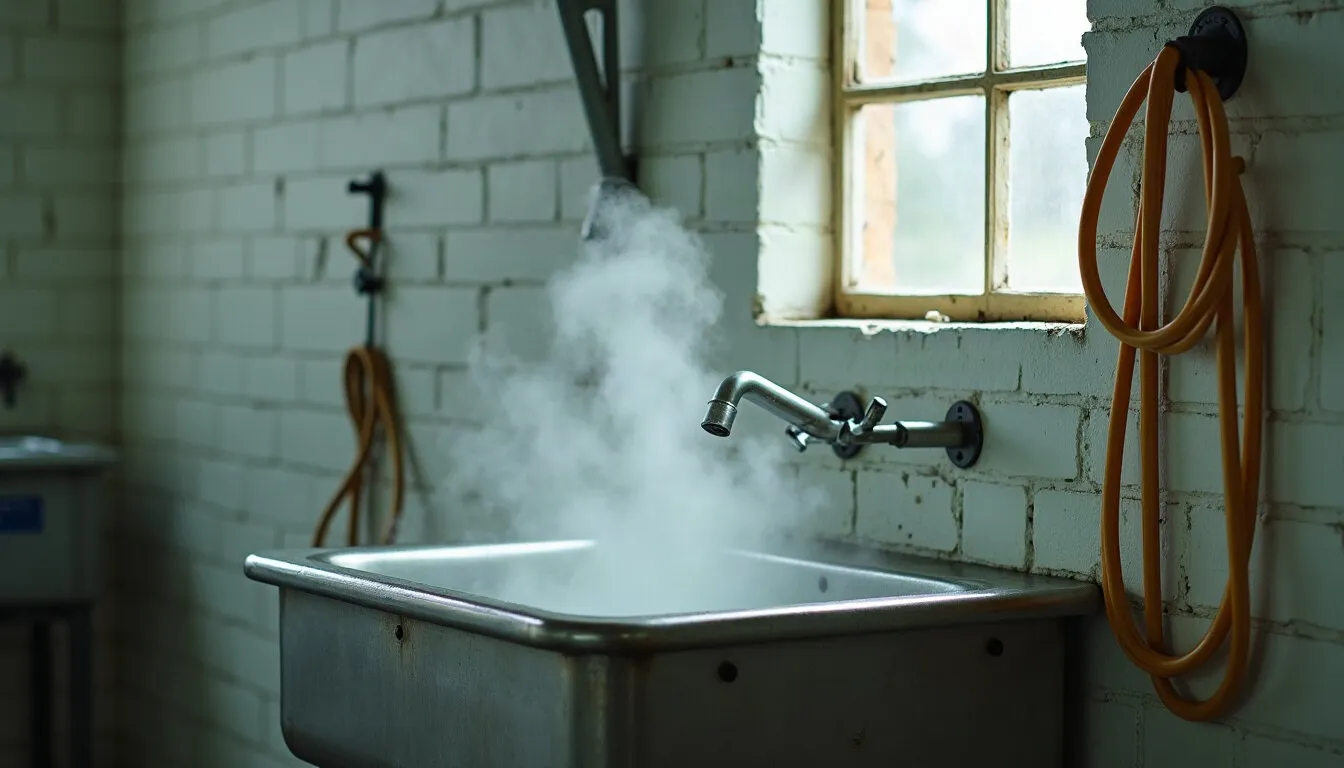
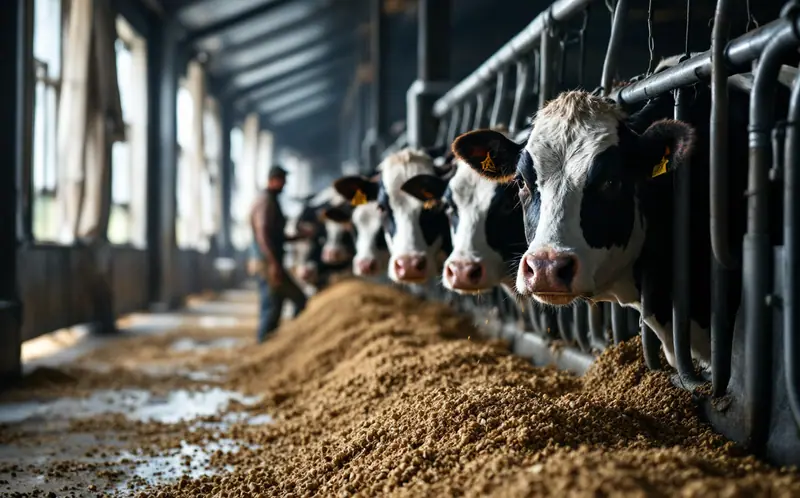
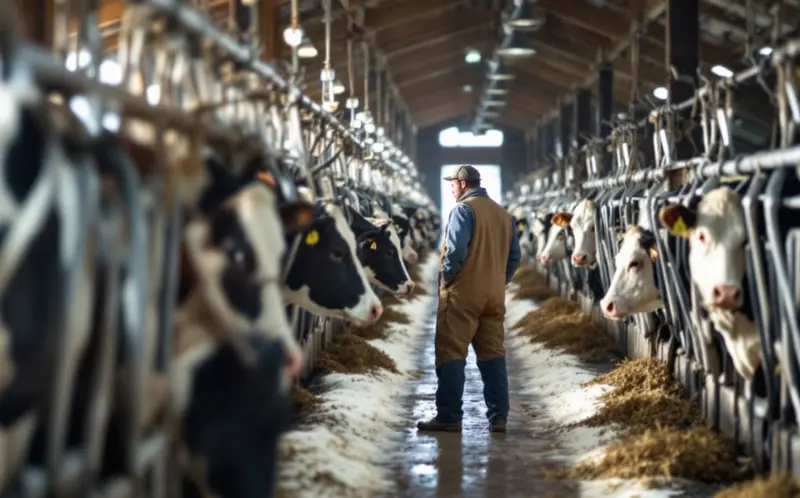
At five in the morning in a milk house near Saint-Hyacinthe, the first thing anyone on our farm checked was not the cows but the hot water. Without it the pipeline could not be washed after milking, the bulk tank sat waiting, and the whole day started late. That quiet dependence runs through farmhouses and small acreages across North America, and the water heater installation Aurora families on the Colorado plains look into raises the same questions a dairy family asks: how much hot water, from which fuel, and what it costs when the old tank gives out on a cold morning.
This piece walks through the economics of that decision for a farm, a rural household or a small food business. It explains where hot water sits in the operation, where its costs hide and who ends up carrying the risk when a heater fails. It is not a quote, a product recommendation or a guide to doing the work yourself. Fitting a water heater means gas lines, electrical connections, venting and pressure relief, and that belongs with a qualified plumber.
Where hot water sits in the operation
On a dairy, hot water is a production input in the plainest sense. The milking system is washed after every milking, and the wash only works when the water arrives hot enough and in sufficient volume. Too little, or too cool, and the cycle has to be run again or stretched out, which costs time and detergent and leaves the person on chores standing in the milk house waiting for the tank to recover.
In the farmhouse the role is more ordinary but no less fixed. Showers after field work, laundry heavy with mud and manure, dishes for a household that may include a hired hand or two at harvest. In a farm store or a small processing room, hot water is tied to sanitation and to whatever the inspector expects to see at the hand sink.
What these settings share is that hot water demand comes in bursts. A family of five after a long day in the field, or a wash cycle right after milking, draws a lot of water in a short window. That is why the size of the tank and how fast it reheats matter as much as the fuel, and why a heater that seemed fine for a retired couple can fall short once a son or daughter moves back with a young family.
What it costs, and where the costs hide
The purchase price of a heater is the number people remember, but it is rarely the largest cost over the life of the unit. The rest is spread across the years in places that do not show up on a single invoice.
- Energy. Heating water is one of the steady loads on a farm or household energy bill. A tank also loses heat while it sits, so an oversized unit in a cold utility room pays to keep water hot that nobody uses.
- Sediment and wear. Minerals in well or municipal water settle at the bottom of a tank, insulate the water from the burner or element and shorten the unit's working life. Regular flushing by someone who knows the unit pushes that day back.
- Labour. On a farm, time spent waiting for hot water is time not spent on something else.
- Downtime. A failed heater on a working dairy is not an inconvenience to fix next week. Milking goes on twice a day whatever the plumbing does.
- Water damage. A tank that lets go in a basement or a milk house can soak floors, insulation and stored feed or supplies, and the clean-up often costs more than the heater.
Back-of-the-envelope. Say an illustrative milk house has a tank that runs short once a week, and each time the person on chores waits about 45 minutes for it to recover before the wash can finish. Over 52 weeks that is 39 hours. At a round, illustrative labour value of $20 an hour, the waiting is worth about $780 a year. These are round illustrative numbers, not data from any real farm. The point is the yardstick: if a larger tank or a faster-recovery unit closes that gap, its extra cost can be weighed against a figure like this one, rather than against nothing.
The same exercise works in a farmhouse or a small food business, where the cost is a cold shower or a cleaning step that cannot be done on schedule.
Who carries the risk when a heater fails
On a family farm the risk is rarely carried by one person.
The owner carries the capital cost and the water damage. If the farm is rented, the lease usually says who replaces fixed equipment such as a water heater, and many leases are vague on the point. A tenant who milks in a rented barn bears the downtime even when the landlord bears the bill, which is a recipe for a heater being run long past its sensible life.
The hired hand or the family member doing chores carries the daily cost in time. I remember mornings when a slow recovery meant my mother stood in the cold milk house longer than anyone planned, and nobody counted those minutes as a farm expense.
The next generation carries what is left behind. A farmhouse handed over with a tank that is old, undersized or fitted without proper venting is a problem passed on with the deed. During succession it helps to list the house systems and their ages alongside the barn equipment, so that the people taking over know which replacements are coming.
A small food business has one more party in the picture: the customer, and whoever checks sanitation on the customer's behalf. Running out of hot water at the wrong moment there is not only a cost but a food safety concern, and the general rule is to ask the local health or building authority what applies to your premises.
What to weigh before replacing or installing
When a heater is near the end of its life, or when a household or a milk house has simply outgrown it, the decision usually comes down to a handful of points.
- Peak demand, not average use. Think about the busiest hour: after milking, after harvest supper, during a cleaning shift. Size for that, with some margin.
- Fuel and what is already on the property. Natural gas, propane and electricity each have different running costs and different installation needs. What makes sense depends on what lines and service the property already has.
- Recovery time. Two units with the same tank size can reheat at very different rates. On a dairy, recovery can matter more than capacity.
- Location and climate. A heater in an unheated building faces freezing risk and higher standby losses. Where it sits matters.
- Who will maintain it. A unit that needs regular flushing or descaling only lasts if someone actually does it.
- Permits and venting. Rules vary by place. Ask the local building department, and let the installer handle what needs inspecting.
A simple comparison helps set the main options side by side.
| Option | Up-front cost band | Downtime risk | Who it tends to suit |
|---|---|---|---|
| Repair the existing unit | Low | Moderate to high if the tank is old | A newer heater with a single failed part |
| Replace on a schedule, before failure | Moderate to high | Low, timed around chores | Dairies and food businesses that cannot lose hot water |
| Replace only after it fails | Moderate to high, plus damage | High | Households that can tolerate a few cold days |
The middle row is the one most farm families intend to follow and the one least often followed.
The same arithmetic on the Colorado plains
The numbers above are written from a Quebec milk house, but the reasoning travels. On the high plains east of Denver, small acreages, horse properties and family homes sit on the edge of Aurora, Colorado. The region has cold winter snaps, dry air and wide swings between day and night, which put a water heater and its venting through a demanding year.
A family there with a few animals, a large garden and a busy household faces the same trade-offs as a dairy in Quebec or Wisconsin: peak demand, fuel choice, recovery time and who pays when the tank fails. The difference is mostly one of scale. A full-time dairy needs hot water on a fixed schedule twice a day; a rural household on the edge of a city can usually wait a day for a repair, though few would choose to in January.
For anyone in that situation, the sensible step is to have a qualified plumber look at the existing unit, the fuel supply and the venting, and to explain the options in plain terms before anything is ordered. Rules on permits and inspections are set locally, so the local building department is the place to confirm what applies.
The trade-off in one line
A water heater is cheap compared with the cost of going without hot water at the wrong moment, and the real decision is whether to replace it on your schedule or on its own. Before the next winter, note the age of the unit, the busiest hour of demand and who would be left waiting if it failed, and book the conversation with a plumber while it is still a choice.

Colette Ranville
Colette grew up on a dairy farm near Saint-Hyacinthe, Quebec, and now lives in Ottawa. She writes about dairy, supply management and the people who work on Canadian farms.