
PaperValue chains and food waste
Where food is wasted along Canada's value chain
Food is lost at every link from field to fridge. A stage-by-stage look at where it goes in Canada, why it is so hard to measure and who can change what.
 By Annelies DekkerFirst posted at this address on 6 min read
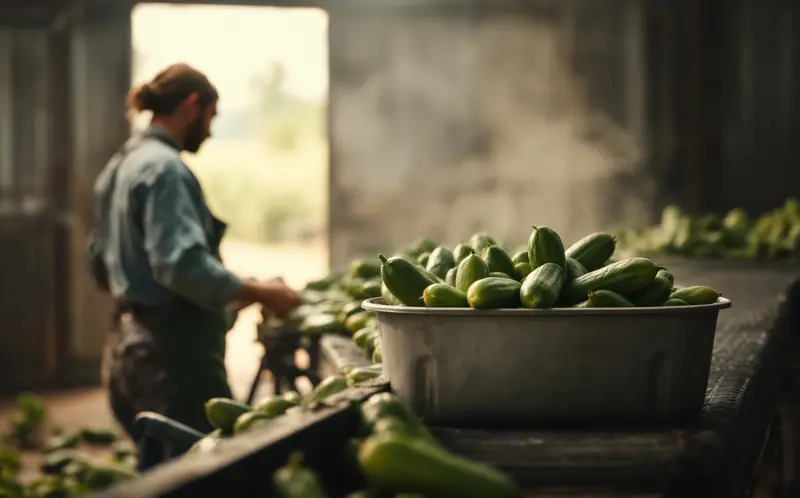
Ask where food waste happens and most people picture a kitchen bin: the half bag of spinach that went slimy, the leftovers nobody ate. That picture is not wrong, but it is incomplete. Food leaves the human food supply at every link of the chain, from a field that is never harvested to a dairy case that is cleared on the date stamp. Each link loses food for different reasons, and each one pays for it in a different way.
This page walks through the chain in order, explains why the totals are so slippery, and sets out the changes that tend to make a real difference.
Why the numbers are so hard to pin down
Nobody weighs all the food that is not eaten. Farms record what they sell, not what stays in the field. Processors know their yields, but trimmings may go to animal feed, rendering or compost, and whether that counts as waste depends on who is counting. Retailers track "shrink", a figure that mixes spoiled food with theft and pricing errors. Households measure nothing at all, so estimates for homes come from bin audits on small samples and diaries that people fill in more carefully than they live.
Definitions add to the confusion. The Food and Agriculture Organization of the United Nations, in a study published in 2011, separated food loss (earlier in the chain, during harvest, storage and processing) from food waste (later, at retail and by consumers). That study estimated that roughly one third of food produced for people, about 1.3 billion tonnes a year, is lost or wasted worldwide, and that consumers in Europe and North America throw away 95 to 115 kg per person a year. It was explicit that the data behind those figures had large gaps.
Then there is the question of value. A tonne of carrots left in a field is worth the farm price. The same tonne thrown out by a household is worth the retail price, which includes washing, packing, trucking, storage, store labour and margin. Estimates for Canada made around 2010 to 2012 ran into the billions of dollars a year, but they varied widely depending on whether food was valued at farm gate or retail, and on how much household waste was assumed. Treat any single number as an order of magnitude, not a measurement.
Stage by stage
On the farm
Some crops are never picked because the market price would not cover the cost of harvest and packing. Others are graded out for size, shape or blemishes that buyers will not accept, even though the food is sound. Weather plays a part: an early frost or a wet harvest can leave product unsellable. Livestock farms lose less in this sense, though feed spoilage and animal losses are real costs.
Packing and processing
Processing plants generate trim, peel, off-cuts and product that falls outside specifications. Much of it goes to feed or other uses, so it is not all lost value. The waste that hurts is finished product: a run that is mislabelled, overfilled, or packed for an order that is then cut.
Distribution and wholesale
Fresh produce, dairy and meat are perishable, and every day in a warehouse or truck takes shelf life off the product. A broken cold chain, a missed delivery slot or a load rejected at the dock can send good food to disposal. Rejections are often about paperwork or temperature records rather than the food itself.
Retail
Stores carry more than they expect to sell so the shelves look full. That buffer is deliberate, and some of it ends up as shrink. Date codes, damaged packages and over-ordering of short shelf-life lines are the main sources.
Restaurants and food service
Kitchens waste food in preparation, in over-production for buffets and banquets, and on plates. Portion size matters a great deal here, as does the menu: a long menu with many fresh ingredients means more stock that can spoil before it is used.
Households
Homes are usually estimated to be the largest single source by weight in wealthy countries. The reasons are ordinary: buying more than is needed, confusion over "best before" dates, poor storage, and cooking too much.
A worked example: one case of lettuce
The figures below are illustrative round numbers, not data from any real business. Follow a case of 24 heads of lettuce from farm to table.
| Stage | Heads lost | Main reason | Value of one lost head at that stage |
|---|---|---|---|
| Field and packing | 2 | Graded out for size | $0.40 |
| Distribution | 1 | Damaged in transit | $0.70 |
| Retail | 2 | Wilted past sale | $1.50 |
| Household | 4 | Bought, not eaten in time | $2.00 |
Nine heads out of 24 never get eaten. In heads, the household accounts for less than half. In dollars it is a different story: the four household heads carry $8.00 of value, against $0.80 for the two lost at the farm. This is why cost figures for household waste tend to dwarf those for farm losses even when tonnages are closer.
The example also shows how waste moves. If the store cut its stock to avoid the two wilted heads, it might run out on a busy afternoon and lose sales. If the household bought smaller heads, the farm might grade more out for size. Pressing on one link often pushes food loss to another.
What businesses can change
The most effective changes tend to be the dull ones:
- Sharing sales and order data between retailers and suppliers, so the plant packs closer to what will sell.
- Tightening forecasting for short shelf-life lines and ordering more often in smaller lots.
- Cold chain checks at every handover, with records that make a dock rejection less likely.
- Accepting a wider range of size and appearance, and selling cosmetic seconds at a lower price or into processing.
- Donating surplus that is safe to eat, and sending trim to feed or compost rather than landfill.
Many of these depend on firms that buy and sell from each other agreeing on how to share the cost and the benefit. That is a value chain question more than a technology one, and it is the theme of the value chain hub. For the business case behind it, see cutting food waste as a business decision.
What households can change
Households cannot fix the supply chain, but they control the most expensive end of it. A short shopping list based on meals planned for the next few days, a quick look in the fridge before going to the store, and a habit of eating the oldest food first will cut more waste than any gadget. "Best before" dates in Canada are about quality, not safety, for most foods, and many products are fine to eat after them if they have been stored properly. Freezing bread, cooked grains and ripe fruit before they spoil turns waste into a later meal.
Reading the debate
Because no one measures waste directly, arguments about it often rest on estimates built for different purposes. A figure that counts trim sent to animal feed as waste will look worse than one that does not. A figure that values everything at retail prices will look larger than one using farm prices. When you see a headline number, ask three things: which stages it covers, how it values the food, and where the household estimate came from. More reading on how farms, processors and stores coordinate is collected under value chains and food waste.