
PaperDairy and supply management
Pressures on Canada's supply-managed dairy sector
Surplus skim milk, protein imports, shrinking milk glasses, trade talks and fewer, larger farms: six forces pushing on Canada's managed dairy system.
 By Duncan StrathearnFirst posted at this address on 5 min read
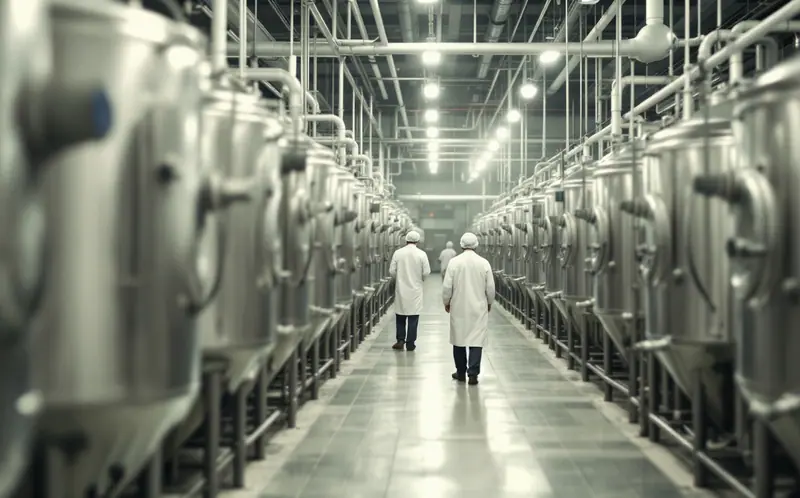
Canada's system of managing milk supply was designed for a closed national market with steady demand for drinking milk, butter and cheese. Over the past two decades the ground has shifted under it. None of the changes is dramatic on its own. Together they explain why the question of how the system should adapt keeps coming back, from farm meetings to trade negotiating rooms. This page walks through six of the main pressures, roughly in order of how directly they hit the farm milk cheque.
1. Too much skim, not enough fat
Milk is mostly water, plus butterfat and a group of other solids: protein, lactose and minerals, often called solids non-fat. Canadian quota is measured in kilograms of butterfat, and the national production target is set to meet demand for butterfat. That choice has a side effect.
Canadian shoppers buy a lot of cream, butter and cheese, products rich in fat. They buy relatively less of the products that use up the skim portion. When farms produce enough milk to cover the butterfat market, they also produce more solids non-fat than domestic buyers want at domestic prices. This is the structural surplus of skim milk solids.
How the money moves
Follow an illustrative 100 litres of milk. The fat goes into cream and butter at domestic prices. Much of the protein goes into cheese and yogurt, also at domestic prices. What is left, mainly skim solids, has to go somewhere. Some is dried into skim milk powder and sold for animal feed or exported at much lower prices. The returns from these low-value uses are pooled with everything else, so they pull down the average price every farmer receives.
Exporting the surplus is limited by trade rules. A WTO dispute ending in a December 2002 Appellate Body report found that Canada's arrangements for selling milk to exporters below domestic prices amounted to an export subsidy, so they counted against Canada's capped subsidised export volumes. The surplus has had nowhere easy to go since.
2. Processors squeezed between high milk costs and flat demand
Dairy processors in Canada pay administered prices for milk, so their main input costs more than it does for processors in the United States or New Zealand. Inside a protected market they can pass that cost on. The difficulty comes when they want to grow. Domestic demand grows slowly, mainly with population, and exports at Canadian milk prices are rarely competitive.
Special milk classes, created in the mid-1990s, let further processors and some exporters buy milk components at prices closer to world levels for set uses. They help at the margin, but they add complexity, and each new class is a negotiated deal between farm and processor interests.
3. Milk protein concentrates at the border
Milk protein concentrates are ingredients made by filtering milk to keep the protein and remove much of the lactose and water. Through the 2000s, processors found they could import these concentrates at low tariffs and use them in cheese making, replacing some Canadian milk. Farm groups saw this as a hole in the border.
The federal response came through food standards rather than tariffs. Compositional standards for cheese, in force from December 2008, required a minimum share of the protein in many cheeses to come from fluid milk. Processors challenged the rules in court. The Federal Court dismissed the challenge in 2009, the Federal Court of Appeal upheld the standards in 2011, and the Supreme Court of Canada declined to hear a further appeal that year. The episode showed that ingredient technology can erode border controls faster than tariff schedules change.
4. Fewer glasses of milk
Fluid milk is the highest-priced class, so falling sales of drinking milk hit farm revenue directly. According to Statistics Canada data, Canadians drank an average of 92.6 litres of milk per person in 1992 and 78.7 litres in 2011. Demand for cream and cheese held up better, which made the skim surplus worse: more fat was needed, and less skim was going into the glass.
5. Trade negotiations that keep asking for dairy
Canada's over-quota dairy tariffs, such as 298.5 per cent on butter and 245.5 per cent on cheese, are the hardest part of its trade position to defend. In the WTO's Doha Round, launched in 2001, draft texts prepared up to the end of 2008 would have let countries shelter a limited number of sensitive products, but only in return for larger low-tariff import quotas. Those talks stalled before any deal.
Bilateral talks raise the same question with sharper focus. Negotiations with the European Union, launched in 2009, ran into cheese access as one of the harder issues. In June 2012, at the G20 meeting in Los Cabos, Canada announced that it had been invited to join the Trans-Pacific Partnership talks, and it formally joined in October 2012. Partners including the United States, Australia and New Zealand made clear that they wanted Canada's dairy and poultry markets opened. The trade and markets issue page follows these negotiations.
6. Fewer, larger farms
Dairy farm numbers in Canada have fallen steadily for decades while average herds have grown, much as in other farm sectors. Larger herds spread the cost of barns, milking systems and feeding equipment over more litres. But each farm that grows must buy quota from one that leaves, and as quota prices rose, the cost of that growth climbed with them. Provinces responded by capping quota prices, with Ontario reaching a ceiling of $25,000 per kilogram of daily butterfat on January 1, 2010, and by creating programs to help new entrants. The trade-offs for newcomers are covered in new farmers and alternative markets.
How the pressures connect
| Pressure | Where it bites | Main tension |
|---|---|---|
| Skim solids surplus | Pooled farm price | Fat demand sets output, skim has no good home |
| Processor costs | Plant investment | Domestic prices against export growth |
| Protein imports | Border controls | Ingredient technology against tariff lines |
| Falling fluid sales | Highest-value class | Shrinking premium market |
| Trade talks | Tariffs and import quotas | Dairy defence against other export gains |
| Consolidation | Quota market | Growth requires expensive quota |
Why it adds up to a question of evolution
Each of these pressures can be managed one at a time with a new milk class, a food standard or a negotiated import quota. The cost is a system that grows more complex with each fix, and in which every adjustment is bargained between farmers, processors and governments. The underlying question, set out in the supply management debate explained, is whether a series of patches can keep up with changes in technology, consumption and trade. The pressure most likely to force a larger choice is the trade agenda, because it is the one Canada does not control alone.