What a hard-wearing kitchen floor really costs a farm family
A farmhouse kitchen floor takes farm-grade wear: is it cheaper to pay once for durable tile or pay less and replace it more often?
 By Reid Gauthier8 min read
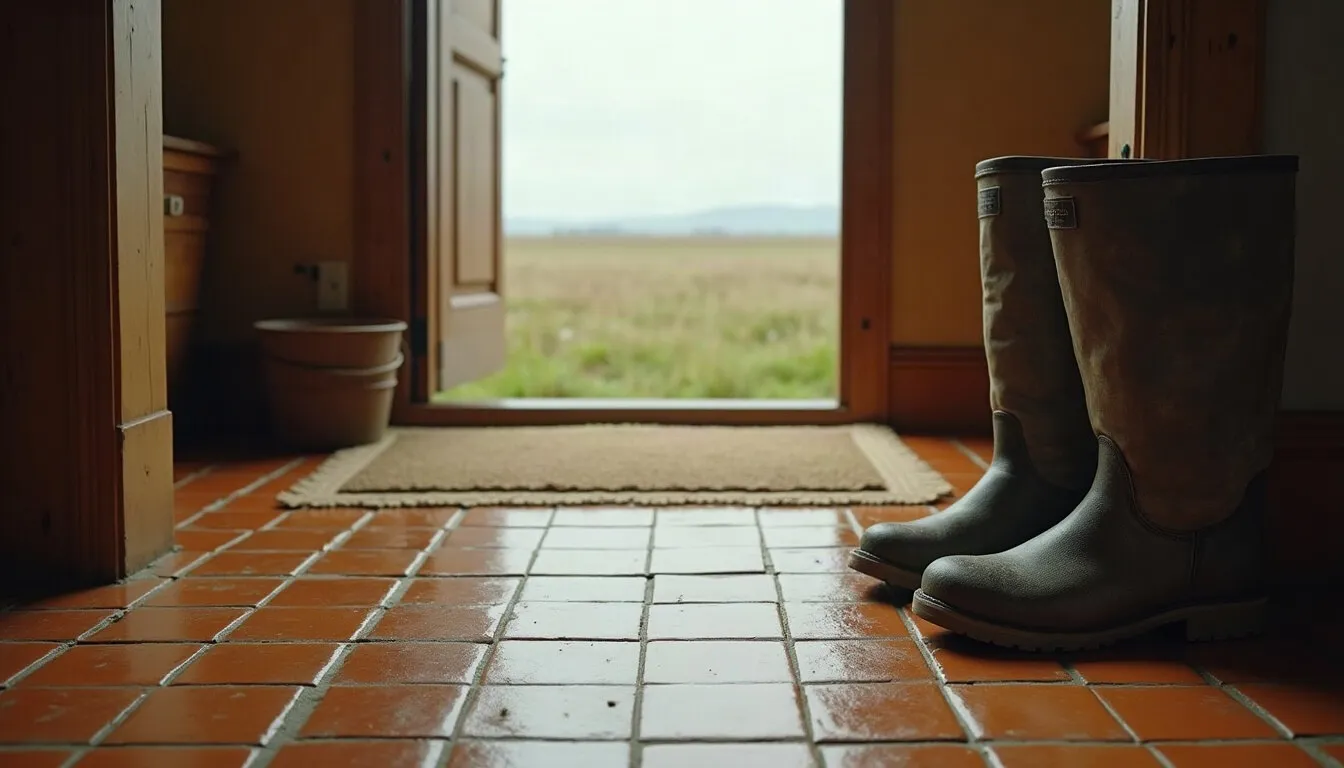
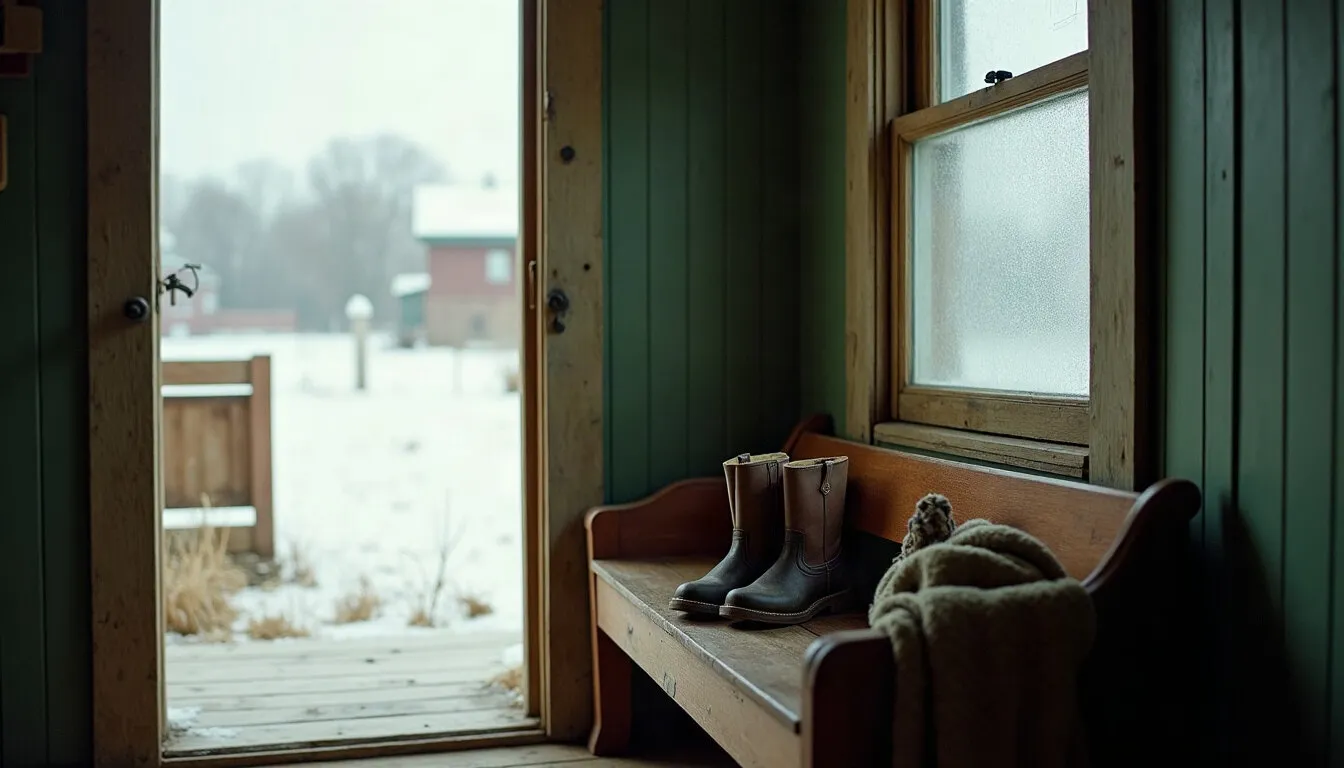
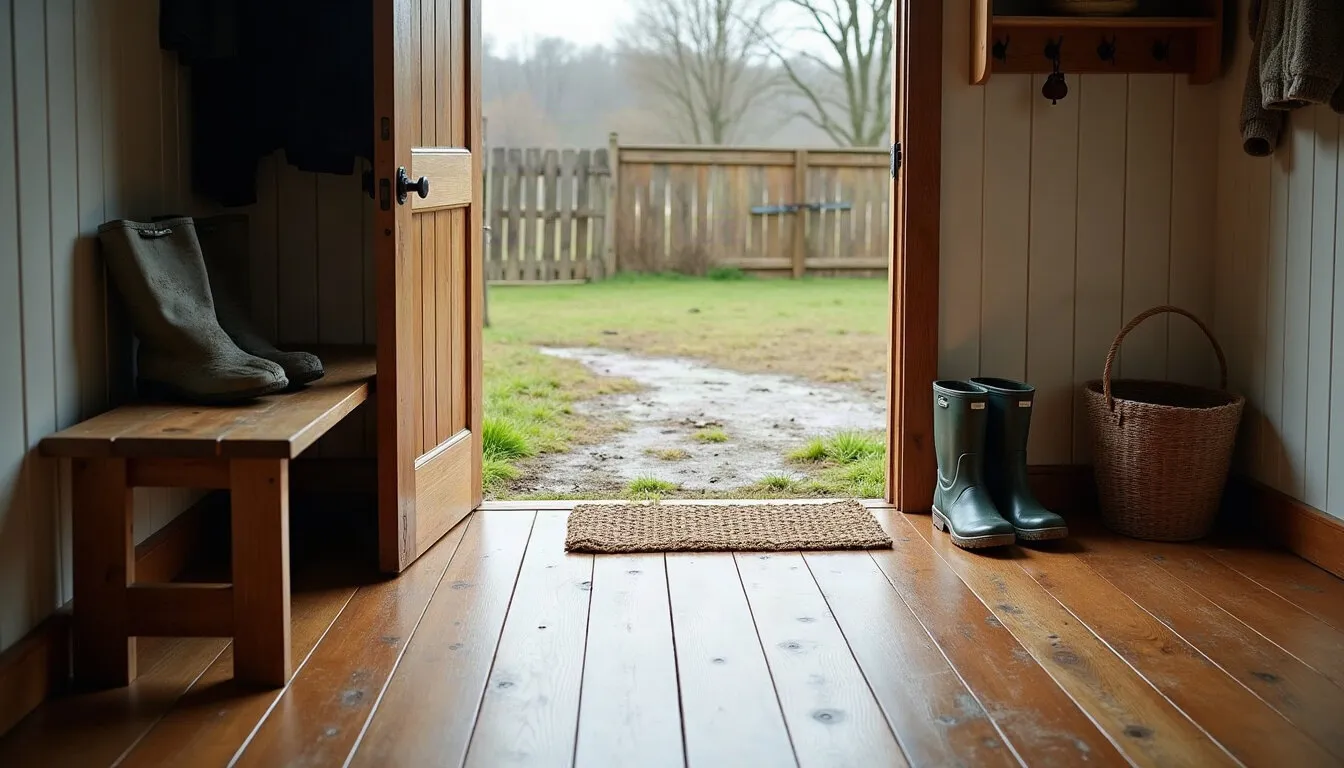
By late March on the Prairies the yard is half mud and half ice, and every trip from the shop to the house carries a little of both through the back door. In a farmhouse kitchen that doubles as the farm office, the lunchroom for the hired help and the place where calving gloves dry on the heat register, the floor takes more punishment than most town kitchens ever see. Families planning a renovation often weigh cheap sheet goods against fired tile, including the narrow handmade tiles known as bejmat that some households now look at for floors and walls. The economic question is simple to state: pay once and well, or pay less and pay again.
This piece walks through that question the way a farm budget would. It looks at what a hard-wearing floor is, where its costs hide, who ends up carrying them, and what to weigh before choosing. It explains the trade-offs; it is not a quote, a product recommendation or a promise that any surface will save money.
Where the kitchen floor sits in the operation
On a grain farm or a cow-calf place, the farmhouse is rarely just a house. The kitchen table is where the seed order gets argued over, where the crop insurance forms get filled in and where the neighbour sits with a coffee after helping move cattle. The back entry is a working door, not a guest door. Boots come in wet in spring, dusty in harvest and salted in January.
That makes the floor a piece of farm infrastructure in the same loose sense as a lane way or a shop slab. When it fails, it tends to fail at the worst moments. A seam in sheet flooring that lifts by the back door lets water underneath. A soft spot in a laminate plank near the sink grows. None of this stops the farm, but all of it eats into the hours that a farm family does not have spare in seeding or harvest.
Fired tile sits at the durable end of the choices. Handmade glazed tile in the zellige family, and the narrow rectangular format in particular, is chosen partly for looks: the surface is uneven, the colour shifts from piece to piece and the light catches it differently across a room. Some people love that character and some prefer a flat, uniform porcelain. The economics do not care about taste, but they do care about how long a surface lasts and what happens when part of it gets damaged.
What it costs and where the costs hide
The sticker price of the material is only the first line. A real renovation budget on a farm has at least four lines, and the hidden ones are often larger than the visible one.
- Material. Handmade tile generally costs more per square metre than sheet goods or laminate, and it usually needs some extra ordered for cuts and for sorting pieces by shade.
- Installation labour. Tile needs a flat, sound subfloor and a setter who knows the material. Handmade pieces vary in size and thickness, so laying them takes more care than laying a uniform product. Ask the installer how they price that time.
- Preparation. Older farmhouses often have floors that have settled, been patched over the decades or hide a second layer under the first. Fixing the base before tiling can add days and a separate bill. Anything structural belongs with a qualified contractor, not a weekend crew.
- Downtime. This is the line most families leave out. A kitchen out of use for a week in July is a nuisance. The same week during calving or harvest means meals cooked elsewhere, paperwork spread across the shop bench and a family stretched thin.
There is also the maintenance line. Glazed tile resists water well, but the grout between pieces is the soft part of the system and needs cleaning and, depending on the product and the installer's advice, sealing from time to time. Ask the supplier what care their tile and grout need before you buy, because a few hours of upkeep a year belongs in the comparison too.
Back-of-the-envelope. Say an illustrative cheaper floor costs $3,000 installed and needs replacing every 10 years, while an illustrative tile floor costs $9,000 installed and lasts 30 years. Over 30 years the cheaper floor is bought three times: 3 × $3,000 = $9,000, the same cash as the tile. Now say each replacement shuts the kitchen for 5 days. The cheaper route adds two extra rounds of work, or 10 more days of a torn-up kitchen, and those days may land in a busy season. The tile route asks for $6,000 more up front in year one. These are round illustrative numbers, not data from any real farm; the trade-off is cash now against disruption later.
The box makes a narrow point. Neither option is cheaper in that illustration; they differ in when the money leaves the account and how often the household gets disrupted. On a farm where cash flow swings with the crop cheque, timing matters as much as the total.
Who carries the risk
The person who pays for a floor is not always the person who lives with it. That is where farmhouse decisions get more tangled than town ones.
If the parents are a few years from handing the farm to a son or daughter, a big kitchen renovation raises fair questions. Will the next generation want the same layout? Will they live in the main house, or will the retiring couple stay on the yard while the young family builds? A durable floor installed now is an asset handed down, but only if it suits the people who inherit it. A family that talks this through before the tile is ordered avoids paying for a kitchen nobody wanted.
Tenants are another case. Where a farmhouse is rented out along with the land, or to someone working off the farm, the owner carries the capital cost and the tenant carries the daily wear. A surface that shrugs off mud and water lowers the owner's risk of a costly repair between tenancies. A surface that marks easily or lets water through a seam shifts that risk back onto the owner. A written lease that says who is responsible for what is worth more than any flooring choice, and a lawyer can help with that.
Then there is the plain physical risk. A floor that stays sound keeps water away from the subfloor and joists below. Water damage under a kitchen floor is the kind of cost that never shows up in a renovation estimate because nobody plans for it. In a wet Prairie spring, with the back door opening all day, it is not remote.
What to weigh before deciding
A short list helps keep the conversation practical rather than about looks alone.
- How the room is used. A working kitchen with a back entry from the yard is a different job from a front room that sees socks and slippers.
- The state of the base. Have a contractor look at the subfloor before you price the finish. A bad base will defeat a good tile.
- The calendar. Book the work for the slack season on your operation, not the cheapest week on the installer's schedule.
- Repairability. With tile, a cracked piece can often be cut out and replaced, which is easier if you kept spare pieces from the same order.
- Who inherits it. Talk to the next generation before committing to a long-lived surface.
- Upkeep you will actually do. Be honest about grout cleaning and any sealing the supplier recommends.
| Option | Up-front cost band | Disruption over time | Who it tends to suit |
|---|---|---|---|
| Sheet flooring or laminate | Low | Higher: more frequent replacement | Short-term plans, a rental between tenants, tight cash this year |
| Uniform porcelain tile | Moderate | Low | Busy households wanting a durable, even surface |
| Handmade glazed tile | Moderate to high | Low, with grout upkeep | Families planning to stay, who value the character of the surface |
The table uses bands, not prices. Get written quotes for your own kitchen before comparing.
The same arithmetic at a different scale
Scale changes the weights, not the logic. On a small mixed farm with a farm-gate stand run out of a converted porch, the floor in that room is customer-facing as well as working. A durable, easy-to-wipe surface matters for how the stand looks and how quickly it can be cleaned at the end of a day, and any rules about food sales are a question for the local health authority.
On a large grain operation with a separate office in the shop, the farmhouse kitchen goes back to being a family room, and the case for spending heavily on the floor rests more on how long the family plans to stay. A feedlot manager's house on a corporate operation is different again: the owner pays, the manager lives there, and the decision usually comes down to lowest life-cycle cost with the least upkeep. The same back-of-the-envelope comparison works in each case. Only the value of a day of disruption changes.
The trade-off in one line
A long-lasting floor moves cost from the future to the present, which suits a family that plans to stay and has the cash this year, and suits a tenant or a short horizon much less. Price the base, the labour and the downtime alongside the tile itself, and book the work for the slack season.

Reid Gauthier
Reid lives in Brandon, Manitoba, among grain elevators and feedlots. He writes about livestock and grain markets, feed costs and how prices are discovered.