
PaperTrade and markets
Boxed beef explained: cutout values and wholesale beef markets
How a beef carcass becomes boxed cuts, what the cutout value measures, how it links to cattle prices and packer margins and what BSE did to the Canadian market.
 By Reid GauthierFirst posted at this address on 6 min read
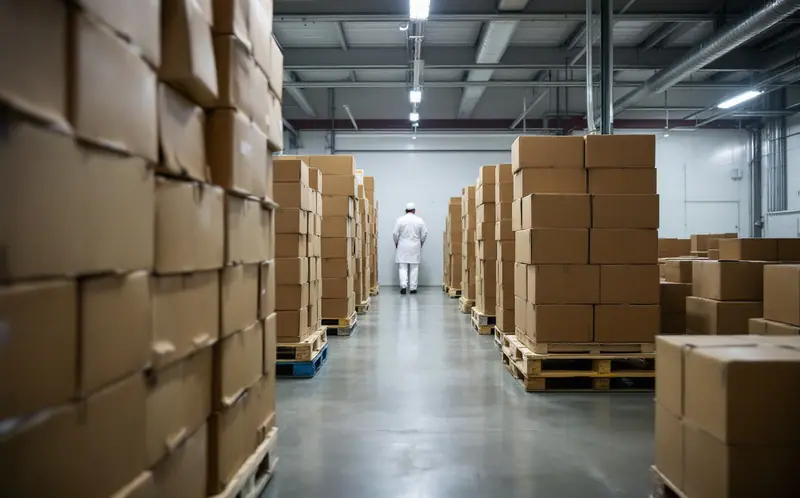
Most people who buy beef never see a carcass. What leaves a packing plant is usually a stack of cardboard boxes, each holding vacuum-packed cuts of one kind: striploins in one box, inside rounds in another, trimmings in a third. That product, called boxed beef, is what the wholesale beef market trades, and its price is the link between the steer in the feedlot and the steak in the meat case.
This page explains how boxed beef is made, what the cutout value measures, how it relates to cattle prices, and why the 2003 border closure turned the Canadian market upside down.
From carcass to box
After slaughter, a beef carcass is split down the backbone into two sides and chilled. Each side is then divided between the twelfth and thirteenth ribs into a forequarter and a hindquarter. Graders look at the exposed rib eye at that point to assess marbling and lean yield. In Canada the quality grades include Prime, AAA, AA and A; in the United States the familiar names are Prime, Choice and Select.
Cutters then break each quarter into primals, the large wholesale sections:
- Forequarter: chuck, rib, brisket, plate and fore shank.
- Hindquarter: loin (short loin and sirloin), round and flank.
Primals are trimmed further into subprimals, such as the striploin and tenderloin from the loin, or the inside, outside and eye of round. These are vacuum-sealed, boxed and shipped. Fat and small pieces become trimmings, sold by their lean percentage for ground beef.
Boxing began to spread in the United States in the 1960s. It let packers ship only the saleable meat instead of whole carcasses with bone and fat, it cut the work done in grocery store back rooms, and vacuum packing kept cuts fresh for longer. Over the following decades boxed beef became the normal way beef moves from packer to retailer and food service buyer across North America.
What the cutout value is
A carcass is not sold as one thing. Every box has its own price, and the prices move separately: rib cuts rise before summer barbecue season, roasts gain in autumn, trimmings follow the hamburger trade. The cutout value pulls these into one number. It answers a simple question: if a packer sold every cut from a typical carcass at the wholesale prices of the day, what would the whole carcass be worth?
To build it, analysts take the yield of each cut from a standard carcass, multiply by that cut's wholesale price and add the results. The total is usually expressed per hundred pounds or per kilogram of carcass weight. Separate cutouts are calculated for different grades, since a AAA carcass yields cuts worth more than an A carcass of the same weight.
In the United States, packers have had to report wholesale beef sales to the USDA under mandatory price reporting since 2001, and the USDA publishes Choice and Select cutout values. Canadian market reporting services track wholesale prices for Canadian-graded beef in a similar way.
How boxed beef links to cattle prices
A packer buys cattle and sells beef. The gap between the two is its gross margin, which has to pay for labour, energy, packaging and the plant itself. The packer also earns money from hides, offal and rendered products, often called the drop credit or by-product value.
A worked example
The figures below are round and illustrative. They describe no real plant or day.
| Step | Illustrative figure |
|---|---|
| Live steer weight | 600 kg |
| Dressing percentage | 60% |
| Carcass weight | 360 kg |
| Cutout value | $4.00 per kg of carcass |
| Value of the boxed cuts and trim | $1,440 |
| By-product value | $90 |
| Total revenue per head | $1,530 |
| Price paid for the live steer, $2.20 per kg live | $1,320 |
| Gross margin per head | $210 |
| Slaughter, fabrication and packaging costs | $150 |
| Net margin per head | $60 |
Two lessons come out of this. First, a small change in either price has a large effect on the margin: a 5 per cent drop in the cutout, with cattle prices unchanged, wipes out the net margin in this example. Second, cattle prices and boxed beef prices do not always move together in the short run. When packers have more cattle offered than plant space to kill them, cattle prices can fall while boxed beef holds, and margins widen. When plants compete hard for scarce cattle, the reverse happens.
Canada and the United States
For decades the two countries ran close to a single cattle and beef market. Canadian feeder cattle moved south to American feedlots, fed cattle moved south to American plants, and boxed beef crossed in both directions. Prices on the two sides of the border differed mainly by the exchange rate and transport costs.
That changed on May 20, 2003, when Canada reported a case of bovine spongiform encephalopathy (BSE) in a cow from Alberta. The United States and many other countries closed their borders to Canadian cattle and beef. In August 2003 the United States reopened to boneless beef from cattle under 30 months of age, but live cattle stayed out. In December 2003 a BSE case was found in Washington State in a cow that had come from Alberta, which complicated the politics further. Live Canadian cattle under 30 months did not cross again until July 2005, after a US court ruling allowed the border to reopen.
For more than two years, then, Canadian cattle could only be slaughtered in Canada, while boneless boxed beef could still be sold south. With far more cattle than Canadian plants could handle, live cattle prices collapsed while the value of boxed beef held up much better. The spread between the cutout and the cattle price, the packer's gross margin, widened sharply. Canadian plants added shifts and capacity, and the share of Canadian beef leaving the country in boxes rather than on the hoof rose.
Common questions
Who uses boxed beef reports?
Packers use them to price sales and judge margins. Retailers and restaurant buyers use them to plan features and contracts. Feeders and cattle buyers use the cutout as a guide to what fed cattle are worth to a packer.
Why is the cutout quoted per hundred pounds?
Because US wholesale beef has long been traded that way. Canadian reports often show both imperial and metric units, and converting is simple arithmetic.
Does a higher cutout mean higher retail prices?
Over time, wholesale and retail prices move in the same direction, but retail prices change more slowly and less, since store costs and pricing strategies sit between the two. More on that gap is collected under food prices and retail.
Is boxed beef only about steaks?
No. Trimmings for ground beef make up a large share of each carcass by weight, and their price often matters as much to the cutout as the middle meats.
Readers who want to see how this chain fits wider questions about cooperation between packers and buyers can turn to the value chain hub, and trade and markets covers the border issues that keep returning to the cattle sector.